As Wellington’s golden autumn days give way to winter’s arrival, your outdoor living space faces months of harsh weather ahead. That beloved BBQ, comfortable outdoor furniture, and garden tools that defined summer weekends now need proper protection from winter’s wind, rain, and salt air. Without adequate preparation, you’ll face rust-damaged equipment, weathered furniture requiring replacement, and garden tools rendered useless by neglect.
Storing outdoor furniture autumn maintenance protects your investment whilst creating valuable space for winter activities. This practical guide walks you through preparing, protecting, and storing outdoor equipment properly, ensuring everything emerges ready for next spring’s first barbecue. From Thorndon decks to Karori backyards, Wellington homeowners who follow these strategies avoid costly replacements whilst maintaining pristine outdoor equipment year after year.
Key Takeaways
- Clean and dry all items thoroughly before storage to prevent mould, rust, and material degradation during winter
- Wellington’s salt air accelerates corrosion making proper BBQ cleaning and protective coating essential before storage
- Climate-controlled storage prevents humidity damage to cushions, umbrellas, and wooden furniture during winter months
- Disassemble furniture when possible to reduce storage space requirements by 40-60% whilst protecting joints
- FREE truck hire eliminates transport barriers when moving bulky outdoor furniture and equipment to storage
- Proper BBQ winterisation extends lifespan by 3-5 years compared to outdoor storage in Wellington weather
- Canvas and fabric items require complete drying before storage as trapped moisture creates mould within weeks
- Garden tool maintenance now saves replacement costs as rust-damaged tools cost $200-$400 to replace entirely
- Indoor storage dramatically outperforms outdoor covers which deteriorate rapidly in Wellington’s wind and UV exposure
Why Wellington’s Climate Demands Proper Outdoor Equipment Storage
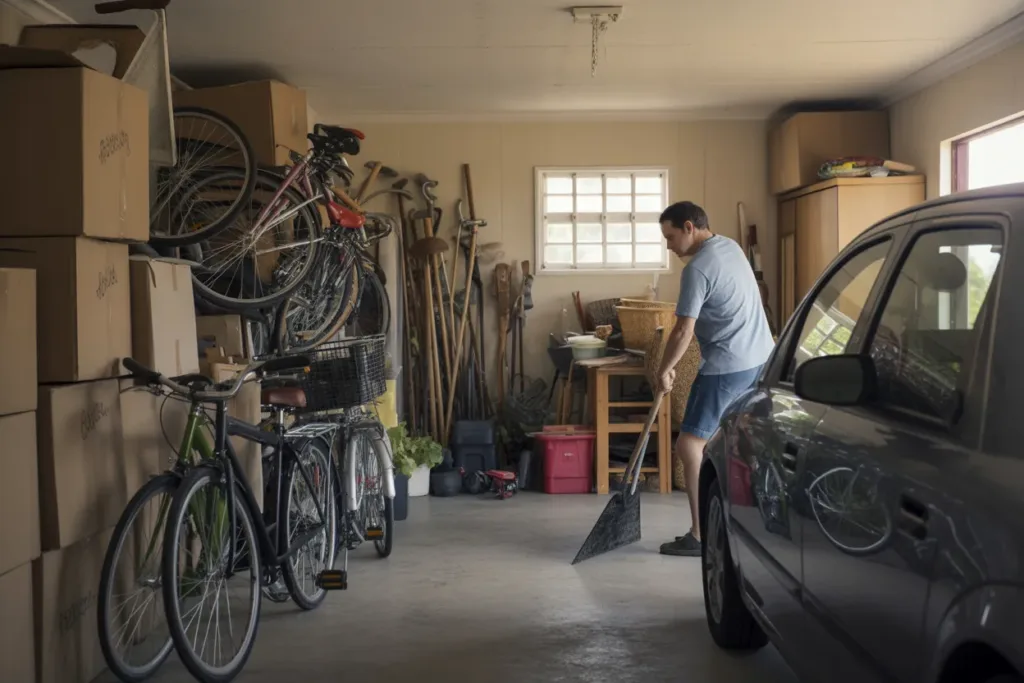
Wellington’s coastal location creates particularly aggressive conditions for outdoor equipment. Consequently, items left exposed deteriorate far more rapidly than identical equipment in drier, calmer climates.
The Salt Air Factor
Wellington’s proximity to Cook Strait means salt-laden air constantly attacks metal surfaces. Moreover, this salt accelerates corrosion exponentially compared to inland locations. BBQs, outdoor furniture frames, and garden tools develop surface rust within weeks of exposure, progressing to structural damage within single winter season.
Additionally, salt doesn’t merely affect obvious metal components. It penetrates protective coatings, attacks fasteners and hinges, and even damages powder-coated surfaces that appear rust-resistant. Therefore, even “weatherproof” outdoor furniture suffers accelerated degradation when exposed to Wellington’s maritime environment continuously.
Winter Wind and Rain Impacts
Wellington’s average winter wind speed exceeds most New Zealand cities substantially. Subsequently, outdoor furniture experiences constant movement, stress, and impact from debris. Umbrella frames bend or break, lightweight chairs overturn repeatedly, and table surfaces accumulate standing water that seeps into joints and crevices.
Furthermore, Wellington’s winter rainfall—averaging 120-150mm monthly from June through August—ensures outdoor items remain perpetually damp. This persistent moisture penetrates protective treatments, encourages rust formation, and creates ideal conditions for mould growth on any porous surfaces like cushions or wooden furniture.
UV Damage During Autumn
Although autumn seems mild, UV radiation remains significant through March and April. Indeed, this period’s intermittent sunshine proves particularly damaging as items alternate between UV exposure and moisture, accelerating material breakdown. Plastic furniture fades and becomes brittle, fabric cushions discolour, and wooden pieces develop surface checking that worsens throughout winter.
Cost of Neglect
Replacing outdoor furniture and equipment proves expensive. A quality BBQ costs $800-$2,500, whilst outdoor furniture sets run $1,500-$5,000 depending on materials and size. Garden tool collections representing $300-$600 investment require replacement when rust renders them unusable.
Conversely, proper autumn storage extends equipment lifespan by 5-10 years compared to outdoor exposure. Therefore, spending $200-$400 annually on climate-controlled storage saves thousands in replacement costs whilst ensuring equipment remains pristine and ready for immediate use each spring.
Preparing Your BBQ for Winter Storage
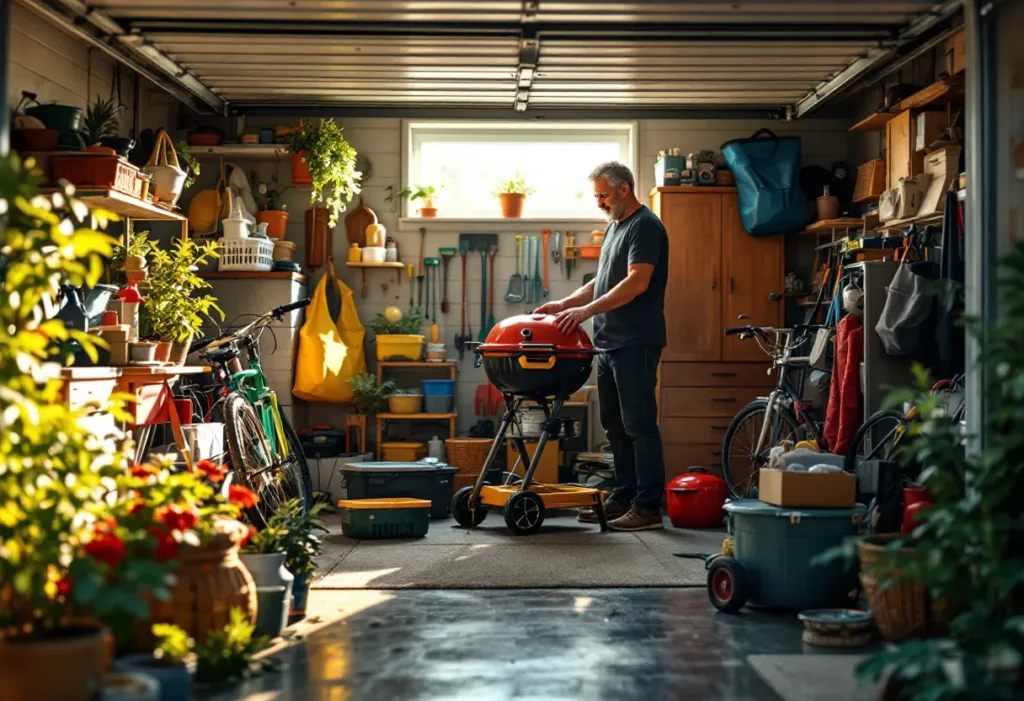
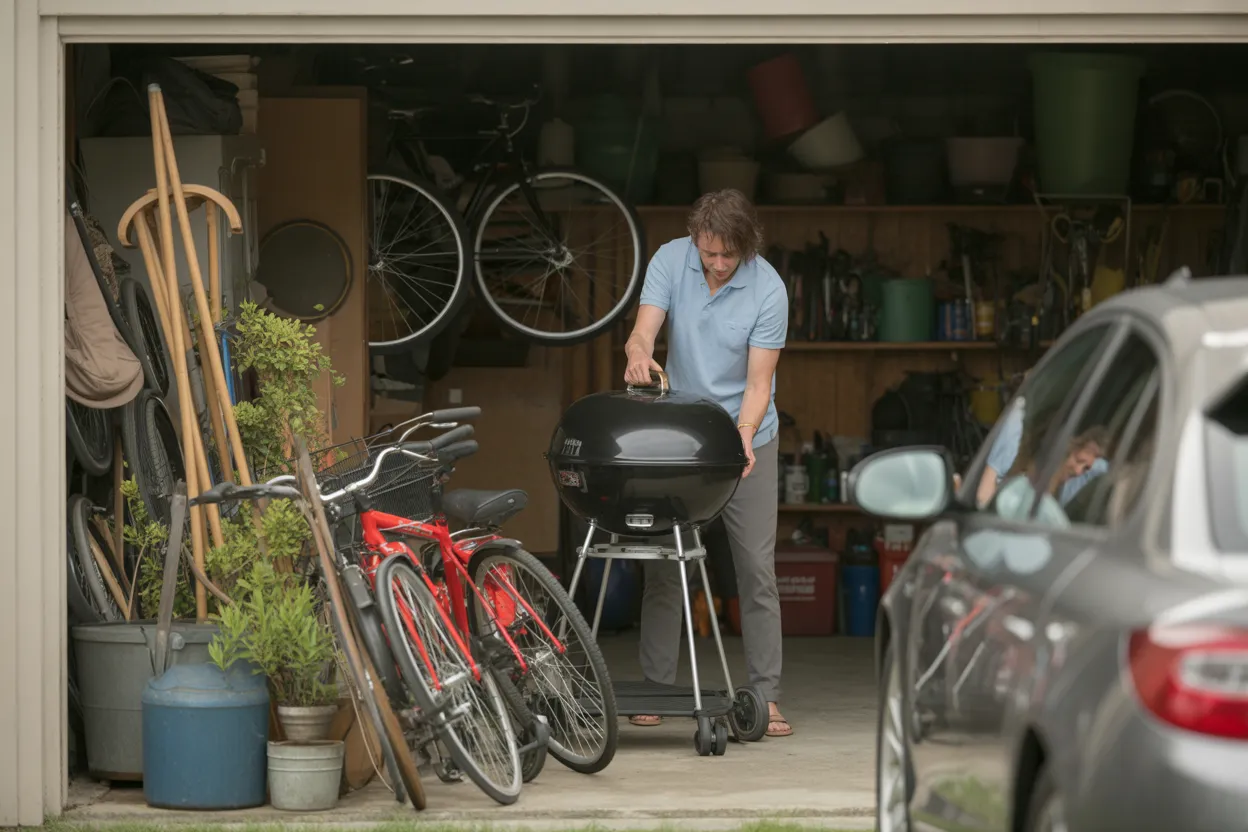
BBQs require thorough preparation preventing grease fires, pest infestations, and corrosion damage during storage months. Specifically, follow these essential steps ensuring your barbecue emerges storage-ready for next summer’s first cookout.
Deep Cleaning Protocol
Begin by burning off residual grease and food particles. Heat your BBQ to maximum temperature for 15-20 minutes, burning away organic material whilst making scrubbing easier. Subsequently, once cooled, remove grates, heat shields, and burners for individual cleaning.
Use appropriate cleaning products for different components. Stainless steel grates benefit from specialised stainless cleaners preventing scratches whilst removing stubborn residue. Cast iron grates require different treatment—scrub with wire brush, then coat lightly with cooking oil preventing rust. Meanwhile, porcelain-coated grates need gentle cleaning avoiding coating damage.
Don’t neglect less obvious areas. Grease traps accumulate substantial buildup creating fire hazards and attracting pests during storage. Empty, clean, and dry these thoroughly. Similarly, inspect and clean burner tubes where spiders often nest during winter, potentially blocking gas flow when you restart next season.
Gas System Winterisation
For gas BBQs, proper fuel system care proves essential. Firstly, disconnect the gas bottle completely—never store BBQs with bottles attached. Transport bottles separately, storing them upright in well-ventilated outdoor areas away from living spaces, as regulations prohibit indoor gas bottle storage.
Check all gas connections for leaks before disconnecting using soapy water solution. Bubbles indicate leaks requiring repair before storage. Additionally, inspect hoses for cracks, brittleness, or damage. Replace compromised hoses now rather than discovering failures next spring.
Turn all control knobs to “off” position, then cover openings with tape or caps preventing dust and pest entry during storage. This simple step prevents frustrating ignition problems when recommissioning next season.
Protective Coating Application
Once thoroughly cleaned and dried, apply protective coatings guarding against humidity and corrosion. Stainless steel surfaces benefit from specialised stainless steel polish creating protective barrier whilst enhancing appearance. Cast iron components require oil coating preventing rust—cooking oil works adequately, though specialised products offer superior protection.
For painted or powder-coated surfaces, consider automotive wax providing excellent moisture barrier lasting throughout storage period. Apply thin, even coating ensuring complete coverage without excess buildup.
Component Organisation
Rather than storing your BBQ as complete unit, consider partial disassembly. Remove grates, warming racks, and loose components, wrapping each separately in newspaper or bubble wrap. This approach prevents scratching during transport whilst making reassembly straightforward when storage ends.
Label wrapped components clearly using permanent marker. “Top grate,” “warming rack,” “drip tray” labels eliminate confusion next spring whilst ensuring nothing gets misplaced during storage months.
Protecting Outdoor Furniture Through Winter
Outdoor furniture represents significant investment requiring proper care extending its lifespan dramatically. Different materials demand specific preparation techniques ensuring optimal protection.
Cushion and Fabric Care
Outdoor cushions and fabric items require most intensive preparation. Firstly, clean all cushions thoroughly following manufacturer instructions. Most tolerate gentle machine washing or hand washing with mild detergent. However, verify cleaning codes before proceeding—some materials require professional cleaning avoiding damage.
After cleaning, ensure complete drying before storage. Damp cushions develop mould within weeks even in climate-controlled environments. Air dry cushions thoroughly, preferably outdoors on sunny autumn days. Turn regularly ensuring all surfaces dry completely, including foam cores which retain moisture longest.
Once dry, store cushions in breathable storage bags rather than plastic. Plastic traps residual moisture promoting mould growth, whilst breathable fabric allows any remaining moisture to dissipate safely. Additionally, consider adding moisture-absorbing products like silica gel packets providing extra protection during storage.
Wooden Furniture Winterisation
Wooden outdoor furniture requires cleaning, treatment, and protection before storage. Begin by cleaning with appropriate wood cleaner removing dirt, mildew, and surface grime. Avoid pressure washers which damage wood fibres and drive moisture deep into timber.
Following cleaning, inspect for damage requiring repair. Tighten loose screws and bolts, repair minor cracks with wood filler, and address any structural issues before storage. Additionally, sand rough areas smooth preventing splinters whilst preparing surface for treatment.
Apply appropriate wood treatment based on furniture type. Teak and other oiled woods benefit from fresh oil application protecting timber throughout winter. Meanwhile, painted or stained pieces may need touch-up work repairing chips or worn areas. Furthermore, consider applying additional protective coating like marine varnish for maximum weather resistance.
Metal Furniture Protection
Metal outdoor furniture faces corrosion risks despite protective finishes. Therefore, clean thoroughly removing dirt and salt deposits, then dry completely. Subsequently, inspect for rust spots or coating damage requiring attention.
Remove minor surface rust using fine steel wool or rust remover products, then touch up bare metal with appropriate paint matching original finish. Additionally, apply automotive wax creating moisture barrier protecting finish throughout storage period.
For aluminium furniture, specialised aluminium cleaners and protectants maintain appearance whilst preventing oxidation. Meanwhile, wrought iron pieces benefit from rust-inhibiting primers and paint protecting against Wellington’s aggressive environment.
Plastic and Resin Furniture
Although plastic furniture seems low-maintenance, proper storage preparation extends lifespan significantly. Clean thoroughly removing dirt, mildew, and stains using appropriate plastic cleaners. Avoid abrasive cleaners scratching surfaces and creating micro-fissures where moisture and dirt accumulate.
Once clean and dry, consider applying UV protectant spray. These products, originally developed for automotive plastics, dramatically reduce UV damage and fading. Although furniture will be stored, this protection helps when items are outdoors during shoulder seasons before and after main summer period.
Umbrella and Canopy Storage
Outdoor umbrellas and canopies require careful preparation preventing mould and mechanical damage. Firstly, open umbrellas completely, cleaning fabric thoroughly with mild soap solution. Scrub both top and underside removing dirt, bird droppings, and mildew.
Rinse thoroughly, then allow complete drying before closing. This proves crucial—storing damp umbrellas guarantees mould growth ruining fabric. Therefore, choose sunny autumn day for this task, leaving umbrellas open several hours ensuring complete moisture evaporation.
Once dry, close carefully avoiding forcing mechanisms. Subsequently, secure with ties preventing accidental opening during transport or storage. Finally, store in breathable cover or bag protecting from dust whilst allowing air circulation.
Garden Tool Maintenance and Storage Best Practices
Garden tools represent substantial investment whilst proving essential for property maintenance. Proper autumn care ensures tools remain sharp, rust-free, and ready for spring gardening.
Cleaning and Rust Removal
Begin by removing all dirt, sap, and organic matter from tools. Use wire brush or scraper removing stubborn deposits, then wash with soapy water. Pay particular attention to crevices where moisture and debris accumulate promoting rust.
For tools showing surface rust, address now rather than allowing deterioration throughout winter. Wire brushes or steel wool remove light rust effectively. Alternatively, commercial rust removers handle heavier corrosion. Once rust is removed, clean thoroughly removing all chemical residue before proceeding.
Sharpening and Tune-Ups
Autumn provides ideal timing for tool sharpening ensuring everything’s ready for spring planting. Spades, hoes, and edging tools work more effectively with sharp edges requiring less effort whilst producing better results. Similarly, pruning shears and secateurs need sharpening maintaining clean cuts that promote plant health.
If uncomfortable sharpening tools yourself, professional sharpening services cost $5-$15 per tool—worthwhile investment considering improved performance and extended tool life. Alternatively, purchase quality sharpening stones or files tackling maintenance yourself.
Protective Coating Application
After cleaning and sharpening, apply protective coatings preventing rust during storage. Motor oil works adequately—wipe thin coating over all metal surfaces creating moisture barrier. However, specialised products like WD-40 or tool protectants offer superior protection whilst being easier to apply.
For wooden handles, linseed oil or specialised handle treatments prevent drying and cracking. Apply liberally, allowing oil to soak into wood thoroughly. This treatment prevents handles becoming brittle or developing splinters compromising grip safety.
Power Tool Winterisation
Petrol-powered garden equipment requires specific preparation preventing fuel system problems and engine damage. Firstly, run equipment until fuel tank is nearly empty. Subsequently, add fuel stabiliser to remaining fuel, then run engine several minutes distributing stabiliser throughout fuel system.
Alternatively, drain fuel system completely if you prefer—though stabiliser method proves simpler whilst protecting better. Additionally, change oil if due, clean or replace air filters, and inspect spark plugs replacing if necessary.
For battery-powered equipment, remove batteries storing separately in temperature-controlled environments. Lithium batteries particularly dislike cold storage which permanently reduces capacity. Furthermore, charge batteries to approximately 50% before storage—the optimal charge level for long-term battery health.
Organised Storage Solutions
Rather than piling tools randomly, implement organised storage maximising space whilst protecting equipment. Wall-mounted tool racks keep everything accessible whilst preventing damage from tools leaning against each other. Pegboards offer flexible organisation accommodating various tool sizes and shapes.
For smaller items like hand trowels, pruners, and gloves, consider storage bins or buckets keeping everything together and preventing loss. Label containers clearly ensuring you find exactly what you need quickly next spring.
Why Choose StoreStuff Self Storage Wellington
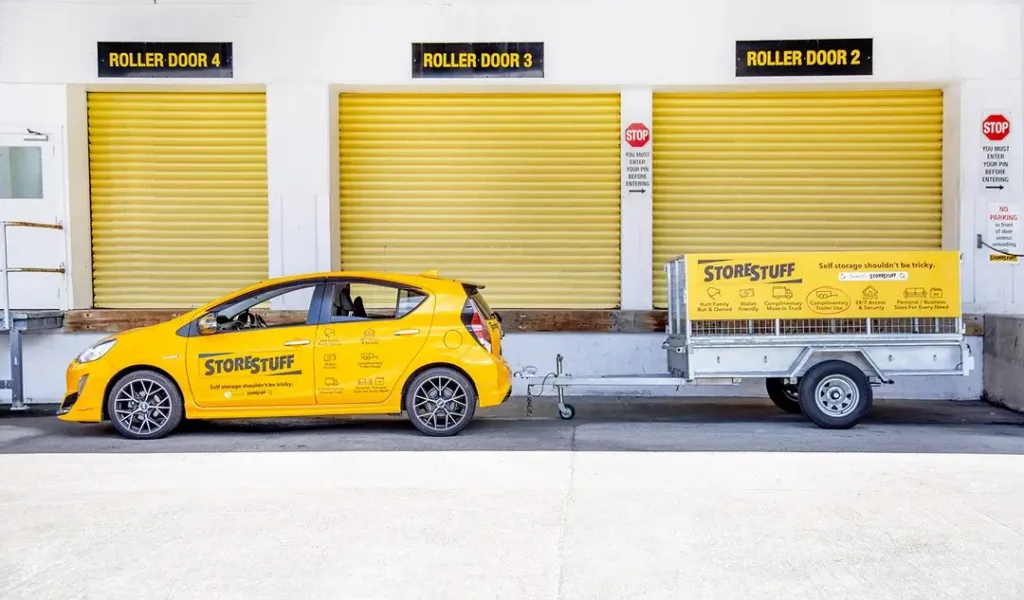
Proper outdoor equipment storage requires more than simply moving items under cover. Quality facilities, convenient access, and comprehensive protection ensure your summer gear remains pristine through winter months.
Climate Control Protecting Your Investment
StoreStuff’s climate-controlled facility maintains optimal conditions protecting outdoor equipment from Wellington’s humid winter. Specifically, active dehumidification maintains 50-60% relative humidity preventing mould on cushions, rust on metal components, and moisture damage to wooden furniture.
This controlled environment proves essential for items like BBQ covers, outdoor cushions, and canvas umbrellas which develop mould within weeks in standard garage storage. Moreover, consistent temperature prevents condensation forming on metal surfaces—the primary cause of storage-related rust damage.
FREE Truck Hire Simplifying Transport
Moving bulky outdoor furniture and equipment presents logistical challenges without appropriate vehicles. Consequently, StoreStuff’s complimentary truck hire eliminates this barrier entirely. Reserve the free automatic truck, load your outdoor gear, drive 10-15 minutes to Petone, and unload into your unit—all without $150-$300 commercial rental costs.
The truck includes automatic transmission requiring only standard Class 1 driver licence, making it accessible to anyone who drives regular car. Furthermore, unlike commercial rental companies operating limited hours, access the truck when convenient for your schedule, not restricted by rental company operating hours.
Flexible Storage Supporting Seasonal Needs
Month-by-month contracts provide flexibility matching seasonal storage requirements perfectly. Store outdoor equipment May through September, then retrieve everything in October without penalties or minimum term commitments. This approach costs substantially less than year-round storage whilst maintaining organisation.
Additionally, if weather turns unexpectedly mild mid-winter and you want to host outdoor gathering, 24/7 access via personal PIN code means retrieving your BBQ and furniture at 2pm Saturday afternoon takes minutes rather than requiring advance planning around facility hours.
Strategic Lower Hutt Location
Located at 32 Nevis Street in Petone adjacent to Bunnings, StoreStuff offers convenient access across Wellington region without expensive CBD pricing. Lower Hutt storage costs 20-30% less than equivalent Wellington CBD facilities whilst remaining easily accessible from throughout Greater Wellington.
Moreover, ample parking and undercover loading bay allow convenient access regardless of Wellington weather. Subsequently, you can pack or retrieve outdoor equipment during typical autumn rain without exposing items to moisture during transport.
Comprehensive Security Protection
Beyond climate control, comprehensive security protects valuable outdoor equipment. Individual unit alarms activated by unique PIN codes prevent unauthorised access, whilst 4K CCTV monitoring throughout the facility provides visual security. Additionally, fire sprinkler systems protect against catastrophic loss ensuring your investment remains safe throughout winter.
StoreStuff’s tagline—”It’s Self Storage, The Kiwi Way”—perfectly describes the experience: professional facilities and security rivalling corporate operators combined with personal attention, flexibility, and genuine support that only local family ownership delivers.
Ready to Pack Away Summer?
Autumn’s perfect weather window closes quickly as winter approaches. Therefore, starting outdoor equipment storage preparation now ensures completion before winter storms make moving furniture genuinely unpleasant.
StoreStuff Self Storage Wellington makes packing away summer straightforward and stress-free. Tom and the team are available six days weekly to discuss your outdoor equipment storage needs, show climate-controlled units protecting your BBQ and furniture, and help you determine optimal solutions for your specific requirements.
Getting started takes three simple steps. Firstly, contact StoreStuff by phone at 04 260 2138 or email lowerhutt@storestuff.co.nz receiving a transparent quote with no hidden fees. Secondly, visit the Petone facility to inspect climate-controlled units personally whilst verifying the location suits your access needs. Finally, book your unit and reserve the free moving truck for your packing day, then relax knowing your outdoor investment is protected properly.
Whether you need a 5m² unit for standard outdoor furniture set, 9m² for comprehensive patio equipment including large BBQ, or storage solutions for multiple properties, StoreStuff provides quality facilities, helpful service, and fair pricing supporting Wellington homeowners. Don’t let another winter destroy your outdoor equipment through neglect. Contact StoreStuff today and experience outdoor storage done the Kiwi way.
Frequently Asked Questions
How long does properly stored outdoor furniture last compared to outdoor storage?
Climate-controlled storage extends outdoor furniture lifespan by 5-10 years compared to outdoor exposure under covers. Wellington’s salt air, persistent moisture, and UV radiation attack furniture constantly when left outside, even under quality covers. Consequently, outdoor-stored furniture develops rust, mould, fading, and structural damage within 2-3 years requiring replacement. Conversely, climate-controlled storage eliminates these factors entirely. Your furniture experiences zero salt exposure, consistent humidity preventing mould, and complete darkness eliminating UV damage. Therefore, a $3,000 outdoor furniture set might last 5 years outdoors but 15+ years with proper storage—representing $6,000+ savings over the furniture’s extended lifespan.
Can I store my BBQ with the gas bottle attached?
No, storing BBQs with gas bottles attached violates safety regulations and facility policies. Gas bottles must be disconnected and stored separately in well-ventilated outdoor areas away from living spaces. This requirement exists because gas leaks in enclosed storage units create explosive atmospheres endangering the entire facility. Additionally, temperature fluctuations affect bottle pressure potentially causing valve failures or leaks. Before storage, disconnect your gas bottle completely, check connections for leaks, and store the bottle upright outdoors in a secure location. When retrieving your BBQ next spring, simply reconnect the bottle, check for leaks using soapy water, and you’re ready for the season’s first barbecue.
Do outdoor furniture covers work as well as storage?
No, outdoor furniture covers provide inadequate protection compared to climate-controlled storage, particularly in Wellington’s harsh coastal environment. Covers offer basic rain protection but cannot prevent salt air corrosion, humidity damage, or UV degradation. Moreover, Wellington’s wind frequently tears covers loose exposing furniture to full weather. Additionally, covers themselves deteriorate rapidly—quality covers last 1-2 winters before tearing or losing water resistance. Subsequently, you’ll spend $100-$300 replacing covers whilst furniture underneath still suffers weather damage. Furthermore, moisture condenses under covers during temperature fluctuations, creating humid micro-environments that accelerate mould and rust. Climate-controlled storage eliminates all these issues whilst costing similar amounts annually to replacing quality covers.
What’s the best way to transport large outdoor furniture?
StoreStuff’s free truck hire provides the optimal solution for transporting bulky outdoor furniture safely. The truck includes automatic transmission requiring only standard driver licence, with covered cargo area protecting furniture from weather during transport. Before loading, disassemble furniture when possible—tables with removable legs, chairs that stack, umbrella bases separating from poles—reducing space requirements whilst preventing damage. Use blankets or furniture pads protecting finishes during transport. Load heavy items first, positioning against truck walls for stability. Subsequently, fill spaces with lighter items like cushions preventing shifting during driving. The free truck eliminates commercial rental costs whilst providing appropriate vehicle size and loading height making the job straightforward rather than struggling with inadequate personal vehicles.
When should I start preparing outdoor equipment for storage?
Start outdoor equipment preparation in late March through early April, aiming to complete storage by early May before Wellington winter truly arrives. This timing provides several advantages. Firstly, autumn weather remains mild enough for comfortable outdoor cleaning and maintenance work. Secondly, you avoid the May rush when many homeowners simultaneously seek storage creating availability challenges. Additionally, early preparation means your equipment spends maximum time in protected storage rather than exposed to autumn storms that increasingly occur as season progresses. However, if you’re reading this in May or later, don’t delay further—storing equipment now still provides months of winter protection versus leaving items exposed throughout winter. Contact StoreStuff immediately to secure storage before winter weather worsens significantly.
How do I prevent mould on outdoor cushions during storage?
Preventing mould requires complete drying before storage combined with climate-controlled storage conditions. Firstly, clean cushions thoroughly removing all dirt and organic matter where mould grows. Subsequently, dry completely—this cannot be overstated. Use sunny autumn days air-drying cushions outdoors, turning regularly ensuring all surfaces dry thoroughly including foam cores. Test dryness by pressing cushions firmly—any moisture release indicates incomplete drying requiring more time. Once completely dry, store in breathable fabric bags rather than plastic which traps residual moisture. Additionally, add moisture-absorbing silica gel packets providing extra protection. Finally, choose climate-controlled storage maintaining 50-60% humidity preventing mould growth even if minor moisture remains. Standard garage storage with 80%+ humidity guarantees mould regardless of preparation care.
Source Links
- Self Storage Association of Australasia – https://www.ssaa.asn.au/
- MetService Wellington Climate Data – https://www.metservice.com/towns-cities/locations/wellington
- Consumer NZ – Outdoor Furniture Care Guide – https://www.consumer.org.nz/
- NIWA – Wellington Salt Air Effects – https://niwa.co.nz/
- WorkSafe New Zealand – Gas Bottle Storage Requirements – https://www.worksafe.govt.nz/
- Garden to Table NZ – Seasonal Garden Maintenance – https://www.gardentotable.org.nz/
- Ministry for the Environment – Outdoor Equipment Care – https://environment.govt.nz/
- Mitre 10 New Zealand – BBQ Maintenance Guide – https://www.mitre10.co.nz/
- Bunnings NZ – Garden Tool Care – https://www.bunnings.co.nz/
- Consumer Protection NZ – Storage Facility Standards – https://www.consumerprotection.govt.nz/
About StoreStuff Self Storage Wellington
StoreStuff Self Storage offers premium indoor self-storage solutions across the Wellington region from our centrally located Petone facility. Serving Wellington CBD, Upper Hutt, and all Greater Wellington suburbs, we specialise in protecting valuable outdoor equipment through winter with climate-controlled units and free moving services. Established in 2023, StoreStuff embodies our tagline: “It’s Self Storage, The Kiwi Way.”