
Spring cleaning has a habit of turning into “vacuum the lounge and call it done.” A proper spring clean is bigger than that — it’s the one time of year most households actually go through what’s accumulated room by room, rather than just tidying around it. After a Wellington winter spent mostly indoors, spring is when the accumulation becomes obvious and the weather finally cooperates with hauling things out to sort.
This checklist works room by room, whether you’re in a character villa in Hataitai or a newer build out in Churton Park — the categories stay the same even if the house doesn’t.
Key Takeaways
- Work room by room rather than the whole house at once — it’s the only way spring cleaning actually finishes rather than stalling halfway through
- Sort into three piles, not two: keep and use, keep but store, and let go — most spring cleans skip the middle category entirely
- The garage and shed usually hide the biggest wins, but they’re also where humidity does the most damage to what you’re keeping
- Kids’ rooms need a different approach — sizing and interests change fast, so “might fit again” rarely holds up
- What you’re keeping but don’t use daily is exactly what belongs in storage, freeing up the rooms you actually live in
Bedroom
- Clothes you haven’t worn in a full year (both seasons) — donate, sell, or store if genuinely seasonal
- Shoes past their useful life, and duplicates you forgot you owned
- Under-bed storage boxes — a common dumping ground that rarely gets revisited
- Linen and bedding you’re keeping “just in case” — check it’s not doubling up with what’s already in the hot water cupboard

Living Room
- Books and media you won’t reread or rewatch — a real shelf clear-out, not just straightening what’s there
- Furniture that no longer fits the room’s actual use, especially anything bought for a previous flat or house
- Decor and ornaments — keep what you’d choose again today, not what you’ve simply never removed
- Cables, remotes and electronics for devices you no longer own
Kitchen
- Appliances used once or twice a year — worth keeping, but not worth prime cupboard space
- Expired pantry items and spices, and duplicate cookware from moving in together or inheriting a second set
- Mismatched containers and lids — genuinely one of the fastest wins in any kitchen declutter
- Special-occasion serveware — often a good candidate for storage rather than daily cupboard space
Garage & Shed
- Tools and equipment you’ve replaced but kept “for backup”
- Sports and outdoor gear that’s genuinely seasonal — skis, camping equipment, the tent that’s only used twice a summer
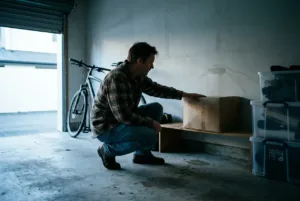
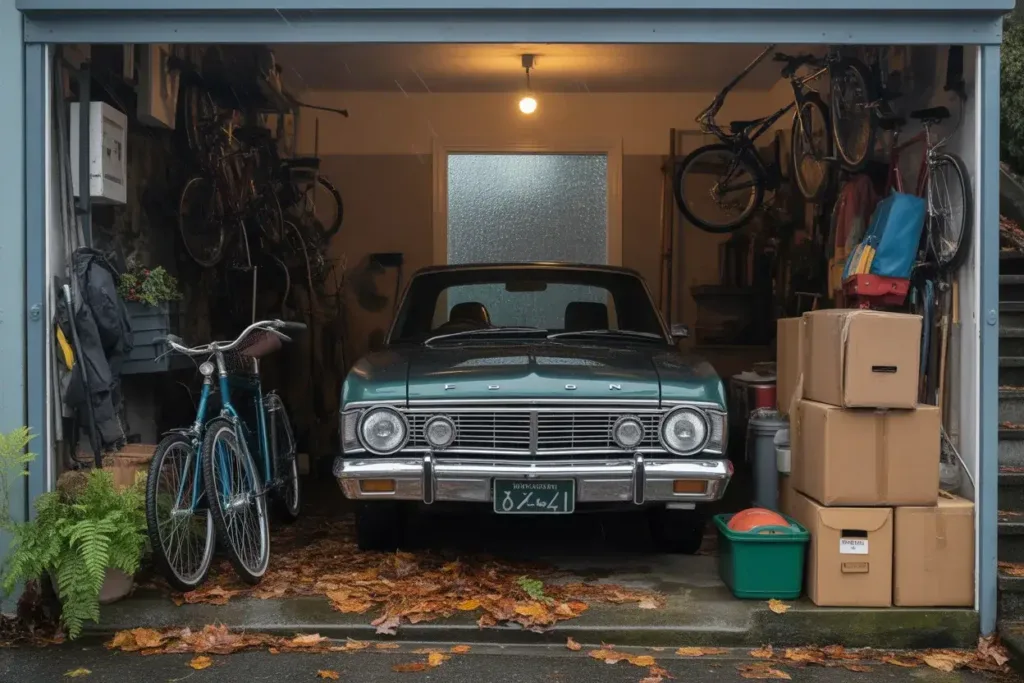
- Anything cardboard-boxed or fabric-based sitting directly on a garage floor — worth checking for damp before deciding what’s salvageable, since garages in suburbs like Newlands and Avalon are just as exposed to Wellington’s humidity as anywhere else — our guide on garage storage risks covers this in more detail
- Paint tins, chemicals and anything past its use-by date for safe disposal
Kids’ Rooms & Keepsakes
- Outgrown clothes and shoes, sorted into “pass down,” “donate,” or “keepsake” rather than one big box
- Toys they’ve genuinely stopped playing with, not just what’s currently out of favour this week
- School work and artwork — keep a real favourite or two rather than every page from the year
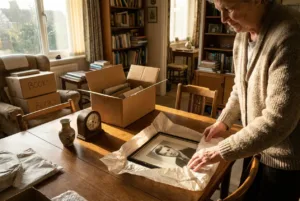
- Keepsakes worth preserving properly rather than left in a damp garage box — these are exactly the items worth a dry, secure home
What to Do With the “Keep But Don’t Use Daily” Pile
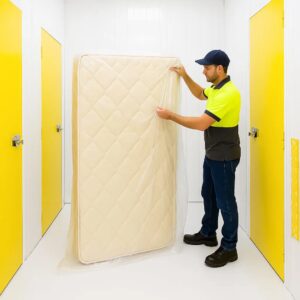
This is the pile every spring clean produces and most people don’t have a good answer for — genuinely useful, sentimental, or seasonal items that don’t need to live in your everyday rooms but shouldn’t be tossed either. A storage unit is built for exactly this category: things you’re keeping on purpose, just not on a shelf you look at every day. If you’re unsure how much space you’d need, our storage unit size guide breaks it down room by room, similar to this checklist.
Ready to Store What You’re Keeping?
First, work through the checklist above and set aside what’s genuinely worth keeping but doesn’t need daily access. Second, call 04 260 2138 or email lowerhutt@storestuff.co.nz for a quick chat about sizing, or use the size guide to get a rough idea yourself. Third, book online or visit the Petone facility in person, and use the free move-in truck to get everything across in one trip.
A proper spring clean isn’t about throwing everything out — it’s about making sure what you keep has a proper place, even if that place isn’t your spare room.

Frequently Asked Questions
How long does a proper room-by-room spring clean actually take? Spread across a few weekends rather than one big push, most households get through a full house in two to four sessions. Trying to do it all in one day is usually why spring cleans stall halfway through.
What should I do with sentimental items I’m not ready to let go of? Keep them, but give them a proper home rather than a damp garage box — a small storage unit or locker works well for keepsakes you want to preserve without displaying daily.
Is it worth storing seasonal items instead of squeezing them into the house? Often, yes. Freeing up a cupboard or spare room for daily use is usually worth more than the small monthly cost of storing genuinely seasonal items like camping gear or holiday decorations.
What size storage do I need for a typical spring clean clear-out? It varies widely, but most households storing a spring clean’s worth of “keep but don’t use daily” items fit into a locker or small unit. Our storage unit size guide has more detail by room and household size.
Should I check my garage for damp before deciding what to keep? Yes — items that look fine now can already have early water damage if they’ve been sitting on a garage floor. It’s worth a quick check before boxing anything up for long-term storage in the same spot.
Source Links
- Consumer NZ — Self Storage Guide — https://www.consumer.org.nz/articles/self-storage
- Sustainability Trust Wellington — https://sustaintrust.org.nz
About StoreStuff Self Storage Wellington
StoreStuff Self Storage offers premium indoor self-storage solutions across the Wellington region from our centrally located Petone facility. Serving Wellington CBD, the Hutt Valley, and all Greater Wellington suburbs, we give households a dry, secure home for everything a good spring clean turns up but isn’t ready to let go of. Established in 2023, StoreStuff embodies our tagline: “It’s Self Storage, The Kiwi Way.”