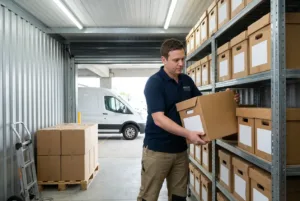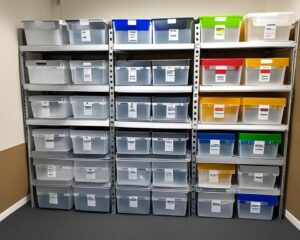
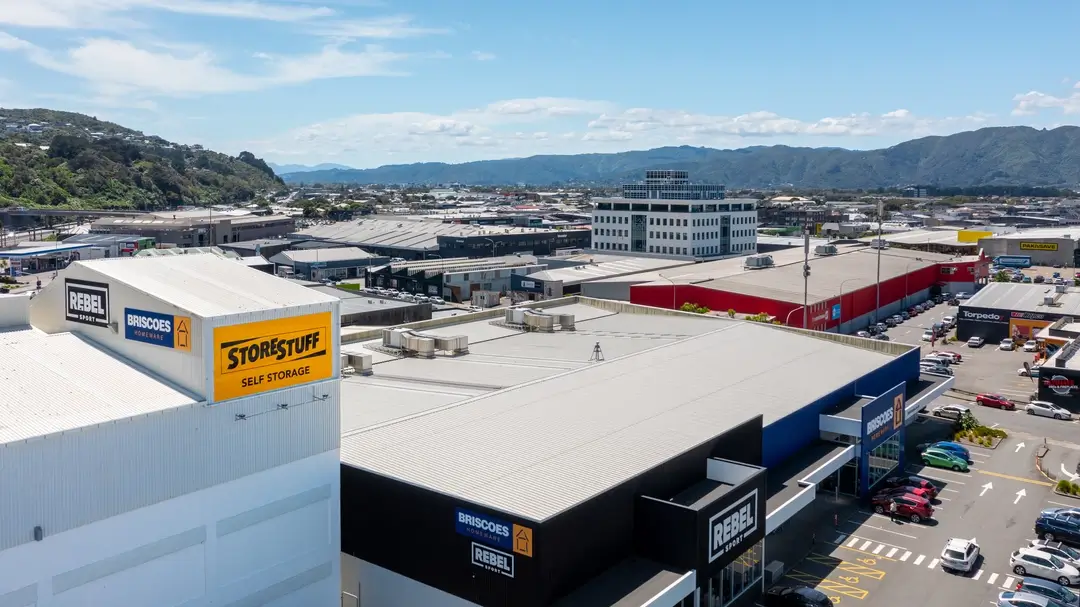
The spare bedroom worked perfectly when you started your business. However, inventory now spills into the hallway, client files occupy the dining table, and your partner is less than thrilled about navigating product boxes to reach the laundry. You’re not alone. Thousands of Wellington small businesses reach this tipping point annually, where continued home-based operations become impractical, yet commercial premises seem financially out of reach.
Business storage Wellington solutions offer the middle ground many growing enterprises need. This comprehensive guide explores when self-storage makes sense for your operation, what you can legitimately store, how to maximise tax deductions, and why Lower Hutt facilities provide superior value compared to expensive CBD alternatives. Whether you’re an online retailer managing inventory, a tradesperson securing equipment, or a professional service storing client records, strategic storage decisions directly impact your profitability and growth trajectory.
Key Takeaways
- Business storage costs are 100% tax-deductible as legitimate operational expenses, reducing effective costs by 28-33% for most companies
- Self-storage saves 60-75% compared to commercial leases in Wellington CBD whilst providing similar accessibility and security
- Month-by-month flexibility eliminates long-term commitments that lock growing businesses into inappropriate space as needs change
- 24/7 access supports flexible working hours that home-based and modern businesses require outside traditional 9-5 schedules
- FREE truck hire saves businesses $150-$300 monthly on equipment transfers, stock movements, and inventory redistribution
- Climate-controlled units protect inventory and documents from Wellington’s 75-80% humidity that damages stock and records
- Professional business address available at some facilities for mail receipt and client meetings separate from home address
- Security features exceed home storage with 4K CCTV, individual unit alarms, and fire protection for valuable inventory
- Seasonal businesses optimise costs by scaling storage up during peak periods and down during quiet months
- Lower Hutt locations offer better value with 20-30% lower rates than Wellington CBD whilst remaining accessible across the region
Recognising When Your Home Office Has Reached Capacity
Most entrepreneurs start their ventures at home for sound financial reasons. Nevertheless, success creates physical space challenges that eventually compromise both business efficiency and home life quality.

The Spare Room Progression
Business growth follows predictable space consumption patterns. Initially, a desk and filing cabinet suffice. Subsequently, you add shelving for samples or inventory. Before long, the spare room reaches capacity, prompting expansion into the garage, under beds, or throughout living areas. Finally, your home resembles a warehouse more than a residence.
This progression creates multiple problems simultaneously. Firstly, inventory scattered across various locations wastes time during order fulfilment or project preparation. Moreover, clients visiting your home office encounter a less professional environment than dedicated commercial premises project. Additionally, insurance complications arise when business activities and inventory exceed standard homeowner policy limits.
Financial Tipping Points
Calculate your current home storage costs honestly. If you’re paying for a larger rental property or home primarily to accommodate business needs, the incremental housing cost likely exceeds self-storage alternatives. For instance, renting a three-bedroom Wellington flat instead of a two-bedroom solely for business space costs approximately $150-$200 weekly extra – that’s $600-$800 monthly for essentially a storage room.
Similarly, homeowners might occupy a larger mortgage than family size requires because business operations demand the space. Converting that spare bedroom back to personal use whilst moving business materials to cost-effective storage often improves both finances and lifestyle.
Relationship and Lifestyle Impacts
Business growth should enhance life quality, not diminish it. However, when inventory dominates shared living spaces, relationship tensions inevitably emerge. Partners reasonably object to navigating product boxes in hallways, working around client files on dining tables, or surrendering garage parking to business equipment.
Furthermore, work-life boundaries blur dangerously when business materials permeate every room. The inability to mentally disconnect from work because inventory constantly reminds you of pending orders or projects contributes to burnout and reduced productivity. Conversely, proper separation through external storage creates healthier boundaries benefiting both business performance and personal wellbeing.
Compliance and Safety Considerations
Wellington City and Lower Hutt councils regulate home-based businesses, particularly regarding inventory quantities and traffic generation. Storing excessive commercial inventory at residential properties potentially violates district plan rules or tenancy agreements. Additionally, some inventory types create genuine safety risks – flammable materials, heavy equipment, or valuable stock attracting theft.
Insurance represents another critical factor. Standard homeowner or renter insurance policies exclude or severely limit business equipment and inventory coverage. Consequently, thousands of dollars of business assets might be completely uninsured in your home. Professional business storage facilities offer comprehensive coverage specifically designed for commercial goods, protecting your investment properly.
Understanding Business Storage Options in Wellington
Wellington businesses face several storage alternatives, each with distinct advantages, costs, and suitability depending on operational requirements.
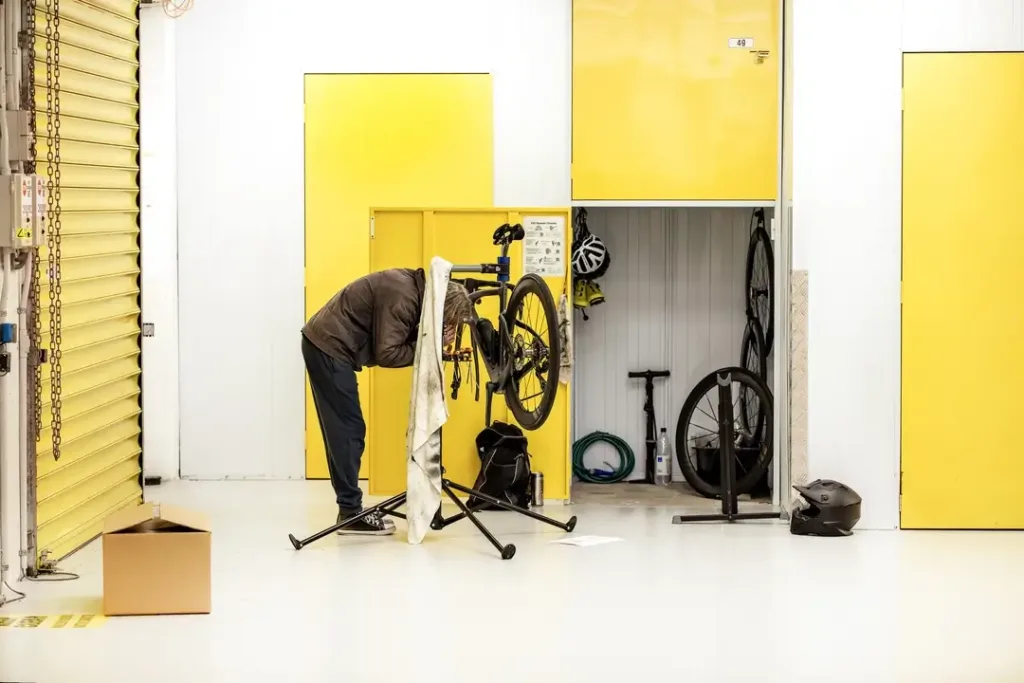
Traditional Commercial Leases
Commercial warehouses in Seaview, Gracefield, or Thorndon offer substantial space with loading docks and parking. However, minimum lease terms typically span 3-5 years with annual rent increases built into contracts. Furthermore, warehouse spaces generally start at 100-200m², far exceeding most small business requirements whilst costing $15,000-$30,000 annually.
Additionally, commercial leases involve significant non-rent costs. Fit-out expenses for shelving, lighting, and security add thousands upfront. Moreover, you’ll pay separate power, water, internet, and maintenance charges. Exit penalties for breaking leases early can reach tens of thousands of dollars, creating dangerous inflexibility for growing businesses whose space needs change rapidly.
Self-Storage Units
Self-storage provides flexibility and cost-effectiveness that small businesses require. Units range from 3m² lockers suitable for document storage to 18m² spaces handling substantial inventory or equipment. Importantly, month-by-month contracts eliminate long-term commitments, allowing you to scale space as business demands change.
Costs run approximately $180-$720 monthly depending on unit size – dramatically less than commercial warehouse alternatives whilst providing similar security, access, and amenities. Furthermore, quality facilities include climate control, comprehensive insurance options, and professional management without the overhead of dedicated commercial premises.
The key advantage lies in flexibility. Need additional space for Christmas inventory? Rent a second unit for three months then cancel when demand normalises. Downsizing after a quiet quarter? Move to a smaller unit without penalties. This agility proves invaluable for businesses navigating growth, seasonality, or market uncertainties.
Shared Warehouse Spaces
Co-warehousing operations offer middle-ground solutions where multiple businesses share large facilities with individual caged areas. These arrangements can work well for businesses requiring frequent access and substantial space. However, they typically cost more than self-storage whilst offering less privacy and security than individual units.
Additionally, shared warehouses often involve minimum commitments and restricted access hours that limit flexibility. For businesses primarily needing secure storage rather than working space, self-storage generally provides better value and convenience.
Location Considerations: Lower Hutt vs Wellington CBD
Geography significantly impacts business storage costs and practicality. Wellington CBD storage facilities command premium pricing, often 30-40% higher than Lower Hutt alternatives for comparable units. Moreover, CBD access involves parking challenges, traffic congestion, and loading zone limitations that complicate stock movements.
Conversely, Lower Hutt locations like Petone offer substantial advantages. Firstly, you’ll pay less for equivalent space and features. Secondly, parking and loading access is straightforward without CBD constraints. Thirdly, proximity to major transport routes (SH2, SH1) facilitates efficient product distribution across Wellington region. Finally, the 12-15 minute drive from Wellington CBD remains entirely practical for most business access requirements.
Businesses based in Johnsonville, Churton Park, Upper Hutt, or the Hutt Valley find Lower Hutt storage even more convenient than CBD alternatives, combining superior value with shorter travel times.
What Wellington Businesses Typically Store
Understanding what other businesses store helps you evaluate whether self-storage suits your specific requirements whilst ensuring compliance with facility policies.
Retail and E-commerce Inventory
Online retailers represent the largest business storage demographic. Wellington’s thriving e-commerce sector includes thousands of operators selling through Trade Me, Shopify, Amazon, and marketplace platforms. These businesses require space for:
- Stock inventory and product packaging materials
- Seasonal merchandise stored between peak periods
- Returns and refurbished items awaiting reprocessing
- Packing stations and shipping supplies
- Product photography equipment and backdrops
A typical e-commerce operation selling homeware or clothing might utilise a 9-12m² unit, providing ample shelving for inventory organisation whilst maintaining easy access for daily order fulfilment. Importantly, the ability to visit your storage unit at 8pm after your day job or 6am before starting work suits the flexible schedules many online retailers maintain.
Professional Services Documents
Accountants, lawyers, consultants, and similar professionals face regulatory document retention requirements spanning 7-10 years. Additionally, digital transformation means businesses scan current files but must retain physical originals for compliance purposes. Consequently, document storage needs grow continuously.
A 5m² climate-controlled unit accommodates approximately 150 archive boxes, representing 5-7 years of typical professional practice files. Climate control proves essential because Wellington’s humidity damages paper documents within months in uncontrolled environments. Moreover, professional documents often contain sensitive client information requiring secure storage with access controls and monitoring.
Trades and Construction Equipment
Electricians, plumbers, builders, and similar tradespeople accumulate substantial equipment and materials inventory. However, storing valuable tools in work vehicles creates theft risks, particularly when parking overnight in public areas or higher-crime suburbs.
Secure storage units provide ideal equipment bases. Load your van each morning from storage rather than home, eliminating the need to transport tools daily between job sites and residence. Furthermore, larger equipment like scaffolding, ladders, or specialised machinery stores safely without occupying home garages or driveways.
Many tradespeople use 6-9m² units, sufficient for extensive tool collections, materials inventory, and equipment whilst remaining cost-effective compared to commercial workshop alternatives.
Hospitality and Events Equipment
Wellington’s vibrant events sector includes catering companies, mobile bars, wedding planners, and entertainment providers. These businesses own substantial equipment used intermittently:
- Marquees, gazebos, and outdoor structures
- Commercial catering equipment and portable kitchens
- Tables, chairs, and event furniture
- Sound, lighting, and AV equipment
- Decorations, signage, and promotional materials
Events businesses appreciate month-by-month flexibility because seasonal demand fluctuates dramatically. Rent larger space during wedding season (November-March), then downsize during quieter winter months. This agility optimises costs whilst maintaining adequate capacity during peak periods.
Seasonal Business Inventory
Many Wellington businesses experience significant seasonality. For instance, surf and beach equipment retailers peak during summer, whilst ski gear suppliers busy during winter. Rather than maintaining year-round commercial premises sized for peak inventory, these businesses use storage strategically.
During peak season, rent additional storage for overflow inventory. Subsequently, as season ends and stock depletes, cancel the extra unit. This approach eliminates paying for unused space during slow months whilst ensuring adequate capacity when needed.
Marketing and Promotional Materials
Businesses attending trade shows, markets, or promotional events accumulate substantial materials:
- Display stands and banner systems
- Promotional products and giveaways
- Demonstration equipment and samples
- Branded packaging and point-of-sale materials
These items require protection between events but needn’t occupy expensive commercial premises or home spaces. A 3-5m² unit typically suffices, providing secure storage whilst maintaining accessibility when events approach.
Maximising Tax Deductions and Financial Benefits
Strategic business storage delivers substantial tax advantages that significantly reduce effective costs compared to headline pricing.
Storage as a Deductible Business Expense
Business storage costs qualify as fully deductible operational expenses under Inland Revenue guidelines. Consequently, you can claim 100% of storage rental fees, insurance, and associated costs against business income when calculating taxable profit.
For businesses in the 28% company tax rate, every $100 spent on storage reduces tax liability by $28, making the effective cost $72. Similarly, sole traders in the 33% personal tax bracket reduce effective costs by 33%, bringing actual outlay to $67 per $100 spent.
This tax efficiency means a $400 monthly storage unit effectively costs $280-$288 after tax deductions – substantially less than equivalent space through other means whilst providing superior flexibility and features.
Calculating True Cost Comparisons
When evaluating storage versus alternatives, calculate after-tax costs accurately:
Example: 9m² Storage Unit
- Monthly rental: $450
- Insurance: $15
- Total monthly cost: $465
- Less tax deduction (28%): -$130
- Effective monthly cost: $335
Compare this to alternatives:
Larger Home/Flat for Business Space
- Additional rent for extra bedroom: $200/week = $867/month
- Less tax deduction: $0 (personal accommodation isn’t deductible)
- Effective monthly cost: $867
Commercial Warehouse (minimum 100m²)
- Base rent: $1,800/month
- Outgoings (power, maintenance): $300/month
- Total: $2,100/month
- Less tax deduction (28%): -$588
- Effective monthly cost: $1,512
The self-storage option costs 60-75% less than alternatives whilst providing similar functionality for most small businesses.
Vehicle and Transport Deductions
If you use a vehicle for business purposes including accessing storage, associated costs may be deductible. For instance, trips to your storage unit for inventory collection, equipment retrieval, or stock organisation qualify as business mileage. At the current IRD mileage rate of 95 cents per kilometre, these deductions accumulate meaningfully over time.
Furthermore, businesses utilising free truck hire from their storage facility eliminate commercial vehicle rental costs entirely whilst still claiming mileage deductions for the trips. This compounds savings significantly compared to operations paying $150-$300 for commercial truck hire plus mileage.
GST-Registered Business Considerations
GST-registered businesses claim input tax credits on storage expenses, further improving cost-effectiveness. On a $450 monthly storage fee, you’ll claim $58.70 GST back (assuming the storage provider is GST-registered), reducing net cost to $391.30 before income tax deductions apply.
Combining GST credits with income tax deductions creates substantial savings. That $450 storage unit delivers approximately $189 in combined tax benefits monthly (GST + company tax), reducing the effective cost to around $261 – less than half the headline price.
Record Keeping Requirements
To claim storage deductions confidently, maintain proper documentation. Specifically, retain:
- Storage facility invoices and payment receipts
- Lease agreements or booking confirmations
- Insurance policy documents
- Vehicle logbooks showing business-related storage trips
- Inventory records demonstrating business use of stored items
Additionally, photograph your stored items periodically, documenting business inventory and equipment. This evidence supports deduction claims whilst providing insurance documentation if claims become necessary.
Security Requirements for Business Storage
Business inventory and equipment typically carries higher value than household belongings, necessitating enhanced security measures that protect your commercial assets adequately.
Essential Security Features
When evaluating storage facilities for business use, prioritise these critical security elements:
Individual Unit Alarms: Every unit should have a hardwired alarm system connected to facility monitoring. Your unique PIN code deactivates the alarm when you access your unit. Attempting to open the unit without proper code authorization triggers immediate alerts to management. This system creates accountability whilst preventing unauthorised access from other tenants or individuals.
Comprehensive CCTV Coverage: Modern facilities utilise 4K camera systems providing crystal-clear footage suitable for identifying individuals and vehicle registration plates. Verify cameras cover all areas including entrances, loading bays, corridors, and storage floors. Additionally, confirm recording retention spans at least 60 days, ensuring footage remains available if theft isn’t discovered immediately.
Perimeter Security: Secure fencing with controlled access gates prevents unauthorised entry to facility grounds. Look for facilities using coded access systems rather than simple keypad entries that multiple people share, compromising security through widespread code knowledge.
Professional Monitoring: Some advanced facilities offer 24/7 remote monitoring where security personnel actively watch camera feeds, responding immediately to suspicious activity. This proactive approach prevents theft rather than merely recording it for after-the-fact investigation.
Fire Protection for Business Assets
Fire represents catastrophic risk for businesses storing inventory, equipment, or documents. Therefore, comprehensive fire protection proves essential:
Sprinkler Systems: Modern storage facilities install fire sprinklers throughout, containing fires rapidly before they spread to neighbouring units. Whilst water damage from sprinklers is unfortunate, it’s vastly preferable to complete inventory loss from uncontrolled fire.
Smoke and Heat Detection: Interconnected smoke and heat detectors throughout facilities provide early warning, automatically notifying fire services before fires escalate. This rapid response minimises damage whilst protecting surrounding units and their contents.
Fire-Rated Construction: Individual unit walls built from fire-rated materials slow fire spread between spaces. Concrete or fire-rated gypsum construction offers far superior protection compared to chain-link fencing that provides security but zero fire resistance.
Insurance Considerations
Business inventory and equipment stored off-site requires appropriate insurance coverage. Many standard business insurance policies exclude off-premises storage or provide only limited coverage inadequate for substantial inventory.
Quality storage facilities offer business insurance through master policies designed specifically for commercial storage. Coverage typically includes:
- Fire and explosion damage
- Theft and burglary
- Water damage from facility systems
- Natural disasters (earthquake, flood, storm)
Costs run approximately $15-$25 monthly per $10,000 of coverage, representing affordable protection for valuable business assets. However, review coverage limits and exclusions carefully, ensuring your specific inventory is adequately protected.
Additionally, consider higher coverage limits for valuable equipment or inventory. Standard facility insurance might provide $10,000-$15,000 coverage, but businesses storing $30,000-$50,000 in inventory should purchase supplementary coverage avoiding catastrophic underinsurance.
Access Control and Accountability
Business storage requires stricter access control than personal storage. Implement these practices:
Limited PIN Code Distribution: Provide facility access codes only to employees who genuinely require storage access. Avoid distributing codes widely, as this compromises security and accountability.
Access Logging: Choose facilities that log all unit access with timestamps. These records document who accessed inventory and when, providing accountability for stock management whilst supporting theft investigations if issues arise.
Regular Inventory Audits: Visit your storage unit monthly for inventory checks, verifying stock levels match your records whilst ensuring stored items remain in good condition. Regular presence also deters potential theft by demonstrating active monitoring.
Organising Your Business Storage for Maximum Efficiency
Efficient storage organisation directly impacts business productivity, reducing time spent locating items whilst maximising space utilisation and cost-effectiveness.
Strategic Layout Planning
Before moving items into storage, design your layout deliberately rather than randomly stacking boxes. Consider:
Access Frequency Zones: Place frequently accessed items near the unit entrance for quick retrieval. Position rarely needed items towards the back or top shelves. For instance, an online retailer might keep current inventory and shipping supplies at the front whilst storing off-season products or archived records at the rear.
Workflow Efficiency: Organise space to support your business processes. E-commerce businesses benefit from designated zones for receiving new stock, packing orders, and storing completed shipments awaiting courier collection. This organisation transforms your storage unit from passive space into an active fulfilment centre.
Vertical Space Maximisation: Install heavy-duty shelving units utilising full ceiling height. Quality industrial shelving costs $200-$400 but multiplies usable storage capacity by 2-3 times compared to floor stacking alone. Moreover, shelving protects products from potential ground-level moisture whilst improving inventory visibility and access.
Inventory Management Systems
Implement proper inventory tracking preventing stock loss, overstocking, or understocking situations that cost money:
Digital Inventory Records: Use spreadsheet software or dedicated inventory management applications tracking stock levels, locations, and values. Record each item’s position within your storage unit (e.g., “Shelf 3, Box 7”) enabling quick location when needed.
Barcode Systems: For businesses with substantial inventory, barcode scanning systems dramatically improve accuracy and efficiency. Affordable barcode printers and scanners cost $300-$600, quickly paying for themselves through reduced stock errors and faster fulfilment.
Regular Stock Counts: Conduct monthly inventory counts reconciling physical stock with digital records. This discipline identifies discrepancies early whilst ensuring financial records accurately reflect business assets.
Labelling and Documentation
Clear labelling eliminates time-wasting searches through unmarked boxes:
Box Labelling Standards: Label all boxes on multiple sides using large, clear text describing contents. Include:
- Contents description
- Date stored
- Category or department
- Box number for inventory tracking
Photographic Documentation: Photograph storage unit layout and individual shelves periodically. These images help staff locate items remotely without facility visits whilst providing insurance documentation if claims become necessary.
Master Inventory List: Maintain a comprehensive inventory list accessible to all relevant staff. Cloud-based documents ensure everyone accesses current information whilst enabling remote inventory checks without storage facility visits.
Climate and Environmental Protection
Wellington’s humidity poses risks to business inventory requiring proactive protection:
Moisture Control: Even in climate-controlled facilities, add supplementary moisture protection for sensitive items. Silica gel packets in boxes absorb residual moisture protecting electronics, leather goods, or paper documents. These inexpensive additions prevent thousands of dollars in humidity damage.
Temperature-Sensitive Items: Products like electronics, cosmetics, or food items require consistent temperature control. Verify your facility maintains stable temperatures year-round rather than experiencing seasonal extremes. Additionally, position temperature-sensitive inventory away from exterior walls where slight temperature fluctuations may occur.
Pest Prevention: Store food products, textiles, or similar items attractive to pests in sealed plastic containers rather than cardboard boxes. Regular facility pest control programmes prevent infestations, but sealed containers provide additional protection for vulnerable inventory.
Why Choose StoreStuff Self Storage Wellington for Your Business
Selecting the right storage partner significantly impacts business operations, costs, and success. StoreStuff Self Storage Wellington delivers unique advantages specifically benefiting small and medium enterprises across the Wellington region.

Local Family Ownership Supporting Local Business
Unlike national corporate chains with distant head offices and standardised procedures, StoreStuff is owned and operated by Tom and Peter Southgate, Wellington business owners who genuinely understand the challenges fellow local entrepreneurs face. Consequently, you deal with decision-makers directly rather than bureaucratic corporate structures unable to accommodate your specific requirements.
This personal approach manifests practically. When you need flexible payment terms during a quiet trading month, Tom can work with you. When you require temporary additional space for unexpected inventory opportunities, Peter arranges it immediately. Furthermore, family owners invested in long-term community relationships prioritise customer satisfaction over short-term profit maximisation that characterises corporate operations.
Established in 2023, StoreStuff has rapidly earned recognition as a finalist for the Self Storage Association of Australasia’s 2025 Facility of the Year award in the Independent Operator category. This industry acknowledgement reflects exceptional operational standards, security, and customer service that distinguish StoreStuff amongst Australasia’s leading storage providers.
FREE Truck Hire Transforms Business Operations
Every storage rental includes complimentary moving truck use, delivering substantial financial and operational advantages for Wellington businesses:
Equipment and Inventory Transfers: Moving equipment between job sites, transferring inventory from suppliers, or redistributing stock between locations typically costs $150-$300 for commercial truck rental. StoreStuff’s free automatic truck eliminates these expenses entirely, requiring only a standard Class 1 driver licence.
Flexible Scheduling: Unlike commercial rental companies operating 8am-5pm weekdays, access your free truck when business demands – early mornings before job sites open, evenings after normal hours, or weekends during retail rushes. This flexibility accommodates real business schedules rather than forcing operations around rental company convenience.
Cost Compounding: Businesses using trucks monthly save $1,800-$3,600 annually compared to commercial rental. These savings often exceed annual storage costs entirely, effectively making storage free whilst gaining superior flexibility and security compared to home-based alternatives.
Premium Business-Grade Facility
StoreStuff’s purpose-built Petone facility provides professional-grade features supporting serious business operations:
Climate-Controlled Environment: Indoor, dehumidified storage maintains optimal conditions protecting inventory, electronics, documents, and equipment from Wellington’s variable climate. Unlike outdoor container storage experiencing temperature extremes and condensation, climate control ensures consistent protection year-round.
24/7 Coded Access: Individual PIN codes provide round-the-clock facility access accommodating your business schedule. Access inventory at 6am before job sites, 10pm after completing quotes, or any hour between. Your schedule drives operations, not facility opening hours.
Comprehensive Security: 4K CCTV monitoring, individual unit alarms, fire sprinkler protection, and secure perimeter access protect valuable business assets with institutional-grade security. This protection level exceeds what most small businesses can implement at home or affordable commercial premises.
Undercover Loading Bay: Wellington’s unpredictable weather complicates outdoor loading and unloading. StoreStuff’s covered loading area allows inventory transfers regardless of conditions, protecting your goods and staff from rain or wind whilst maintaining productivity.
Transparent Business Pricing
StoreStuff’s no-hidden-fees policy means predictable, straightforward costs supporting accurate financial planning:
What You See Is What You Pay: The monthly rate quoted is your actual cost. No administrative fees, access charges, or surprise costs appear on invoices. Furthermore, StoreStuff refunds unused rent if you vacate mid-month, unlike operators charging full months regardless of actual usage.
Flexible Contracts: Month-by-month agreements eliminate long-term commitments inappropriate for growing businesses. Scale up during busy periods, downsize during slow seasons, or cancel entirely if circumstances change – all without penalties or break fees.
GST-Registered: As a GST-registered operation, StoreStuff enables your business to claim input tax credits on storage expenses, reducing effective costs by 15% for GST-registered enterprises.
Strategic Lower Hutt Location
Located at 32 Nevis Street in Petone, StoreStuff offers compelling location advantages:
Cost Efficiency: Lower Hutt storage costs 20-30% less than equivalent Wellington CBD facilities whilst providing identical or superior features. This geographic arbitrage saves businesses hundreds of dollars monthly without sacrificing convenience.
Superior Access: Immediately adjacent to State Highway 2 and minutes from State Highway 1, Petone provides better transport access than congested CBD locations. Furthermore, ample parking and straightforward loading access eliminates CBD challenges like parking restrictions, loading zone time limits, and traffic congestion.
Regional Coverage: The Petone location serves the entire Wellington region effectively:
- Wellington CBD: 12-15 minutes via SH2
- Upper Hutt businesses: 15-18 minutes via SH2
- Johnsonville/Churton Park: 20 minutes via SH1 and SH2
- Kapiti Coast: 35-40 minutes via SH1
- Wairarapa: 50-60 minutes via SH2
Professional Service Supporting Business Success
StoreStuff understands business storage involves more than renting space:
Business Expertise: Tom and Peter advise on optimal unit sizing, organisation strategies, and cost-effective solutions drawing from experience supporting hundreds of Wellington businesses. This consultation helps you avoid common mistakes whilst maximising storage value.
On-Site Availability: Team members work on-site six days weekly, providing immediate assistance when you need help, have questions, or require flexibility. This responsiveness supports business operations rather than forcing you to work around facility limitations.
Business Community: Join a facility where fellow tenants are fellow business owners. The collaborative environment creates networking opportunities whilst ensuring facility management understands business priorities rather than treating commercial customers identically to residential storage users.
StoreStuff’s tagline – “Big Company Features, Small Company Service” – perfectly describes the business storage experience: professional facilities and security rivalling corporate operators combined with personal attention, flexibility, and genuine support that only local family ownership delivers.
Ready to Expand Beyond the Spare Room?
Growing your business beyond home capacity represents an exciting milestone worth celebrating rather than a problem requiring stress. Strategic storage decisions made now establish foundations supporting continued growth whilst improving both business efficiency and home life quality.
StoreStuff Self Storage Wellington makes business storage straightforward, affordable, and genuinely supportive of your success. Tom and the team are available six days weekly to discuss your specific requirements, show available units, and help you determine optimal solutions for your business type, inventory, and budget.
Getting started requires three simple steps. Firstly, contact StoreStuff by phone at 04 260 2138 or email lowerhutt@storestuff.co.nz describing your business storage needs and receiving a transparent quote with no hidden fees. Secondly, visit the Petone facility to inspect units personally, verify security features, and confirm the location suits your operational requirements. Finally, book your unit and reserve the free moving truck, then focus on growing your business rather than managing space constraints.
Whether you need 3m² for professional documents, 9m² for retail inventory, or 18m² for trades equipment, StoreStuff provides the quality facilities, helpful service, and fair pricing that support Wellington business success. Don’t let space limitations constrain your growth potential. Contact StoreStuff today and experience business storage done the Kiwi way.
Frequently Asked Questions
Can I run my business from a storage unit?
Storage facilities are designed for storage rather than business operations or workspaces. You cannot use storage units as offices, workshops, or retail premises where you conduct business activities or meet clients. However, you can absolutely store inventory, equipment, and business materials whilst conducting actual business operations elsewhere. For instance, online retailers regularly visit units to collect inventory for order fulfilment, tradespeople load equipment for job sites, and professionals retrieve archived documents when needed. If you require workspace beyond storage, discuss your specific requirements with StoreStuff to explore whether any solutions exist within facility policies.
How do storage costs compare to commercial premises for small businesses?
Storage costs dramatically less than commercial premises whilst providing comparable functionality for most small businesses. A 9m² storage unit costs approximately $400-$500 monthly, whilst equivalent commercial warehouse space runs $1,500-$2,500 monthly before additional outgoings for power, maintenance, and fit-out expenses. Furthermore, storage offers month-by-month flexibility versus 3-5 year commercial lease commitments. For businesses primarily needing secure inventory or equipment storage rather than customer-facing premises or extensive workspace, self-storage delivers 60-75% cost savings whilst maintaining full tax deductibility and superior flexibility as your business scales.
What size storage unit does my business need?
Unit size requirements depend on your specific business type and inventory volumes. As a general guide: 3-5m² suits professional services storing documents and files; 6-9m² works for tradespeople with equipment and materials; 9-12m² accommodates online retailers with moderate inventory; 15-18m² handles events businesses or substantial equipment storage. However, the best approach is visiting StoreStuff to view actual units whilst discussing your requirements with Tom. He’ll help estimate appropriate sizing based on your business specifics, ensuring you don’t pay for excessive space whilst having adequate capacity. Remember you can adjust sizing monthly as needs change, providing flexibility commercial leases cannot match.
Is business storage tax-deductible in New Zealand?
Yes, business storage costs are fully tax-deductible as legitimate operational expenses under Inland Revenue guidelines. You can claim 100% of storage rental fees, insurance, and associated costs against business income when calculating taxable profit. For businesses in the 28% company tax rate, every $100 spent on storage reduces tax liability by $28, making effective cost only $72. Additionally, GST-registered businesses claim input tax credits on storage expenses, further reducing costs by 15%. Combined tax benefits mean a $450 monthly storage unit delivers approximately $189 in GST and income tax savings, reducing effective cost to around $261. Maintain proper documentation including invoices, agreements, and inventory records to support deduction claims confidently.
Can I access my business storage outside normal business hours?
Absolutely. StoreStuff provides 24/7 access via your personal PIN code, accommodating your business schedule rather than restricting you to facility office hours. This flexibility proves invaluable for businesses operating outside traditional 9-5 schedules. Access inventory at 6am before job sites open, retrieve equipment at 10pm after completing evening work, or collect stock for weekend market stalls at any hour. Your individual PIN logs visits for security whilst preventing unauthorised access from others. Many Wellington businesses specifically choose storage over commercial premises partially because 24/7 access provides superior flexibility compared to shared warehouses or commercial buildings with restricted entry hours.
What insurance do I need for business storage?
Business inventory and equipment in storage requires specific insurance coverage that standard business policies may not provide adequately. StoreStuff offers business storage insurance through master policies designed for commercial goods, typically providing $10,000-$15,000 coverage for approximately $15-$25 monthly. This coverage includes fire, theft, water damage, and facility-related incidents. However, businesses storing inventory or equipment exceeding these limits should purchase supplementary coverage avoiding catastrophic underinsurance. Additionally, review your existing business insurance policy to verify whether it covers off-premises storage and at what limits. Many policies exclude storage facilities or provide only minimal coverage inadequate for substantial business assets. Proper insurance documentation also supports tax deductions whilst protecting your business investment appropriately.
Source Links
- Inland Revenue Department – Business Expenses Guide – https://www.ird.govt.nz/income-tax/income-tax-for-businesses-and-organisations/types-of-business-expenses
- Self Storage Association of Australasia – https://www.ssaa.asn.au/
- Wellington City Council – Home-Based Business Guidelines – https://wellington.govt.nz/business-and-economy/business-support
- Companies Office New Zealand – Business Registration – https://www.companiesoffice.govt.nz/
- Lower Hutt City Council – Business Information – https://www.lowerhutt.co.nz/business/
- Consumer NZ – Self Storage Guide – https://www.consumer.org.nz/articles/self-storage
- IRD Mileage Rates – Vehicle Kilometre Rates – https://www.ird.govt.nz/income-tax/income-tax-for-businesses-and-organisations/types-of-business-expenses/vehicle-expenses
- WorkSafe New Zealand – Storage Safety Guidelines – https://www.worksafe.govt.nz/
- Commerce Commission – Fair Trading for Businesses – https://www.comcom.govt.nz/business
- Business.govt.nz – Tax Deductions for Businesses – https://www.business.govt.nz/tax-and-accounting/income-tax/
About StoreStuff Self Storage Wellington
StoreStuff Self Storage offers premium indoor self-storage solutions across the Wellington region from our centrally located Petone facility. Serving Wellington CBD, Upper Hutt, and all Greater Wellington suburbs, we specialise in supporting small and medium businesses with flexible, cost-effective storage that grows with your success. Established in 2023, StoreStuff embodies our tagline: “It’s Self Storage, The Kiwi Way.”